August 24, 2026
Every time you press your foot on the pedal and feel your car glide smoothly to a stop, you're benefiting from more than a century of engineering refinement. Brake systems have transformed dramatically since the earliest automobiles relied on simple mechanical linkages and sheer driver muscle to slow down. Today's vehicles use sophisticated hydraulic networks, advanced materials, and computer-controlled systems that work together in milliseconds to keep drivers safe. Understanding how far this technology has come helps explain why modern brake repairs look so different from the basic adjustments mechanics once performed. This post explores that evolution, from the earliest stopping mechanisms to the high-tech systems found in today's vehicles, and why professional expertise remains essential every step of the way.
Mechanical Systems Limit Early Stopping Power
The first automobiles relied on mechanical drum brakes activated by cables or rods connected directly to the pedal. These systems required significant physical effort from the driver and offered inconsistent stopping power, especially in wet or hilly conditions. Because there was no fluid to distribute force evenly, front and rear wheels often received uneven pressure, creating unpredictable handling during hard stops. Mechanics of the era spent much of their time adjusting cable tension and replacing worn linkages just to keep vehicles minimally safe. These early limitations set the stage for the hydraulic breakthrough that would soon transform the entire industry.
Hydraulic Systems Transform Braking Performance
The introduction of hydraulic brake systems in the 1920s marked a turning point for automotive safety. By using fluid to transmit force from the pedal to each wheel, engineers created a system that distributed pressure evenly and required far less effort from the driver. This innovation dramatically reduced stopping distances and made braking far more predictable across different driving conditions. Hydraulic systems also introduced new components, master cylinders, brake lines, and wheel cylinders, that needed regular inspection and maintenance. This shift laid the technical foundation for virtually every brake repair performed on vehicles today.
Disc Brakes Replace Aging Drum Technology
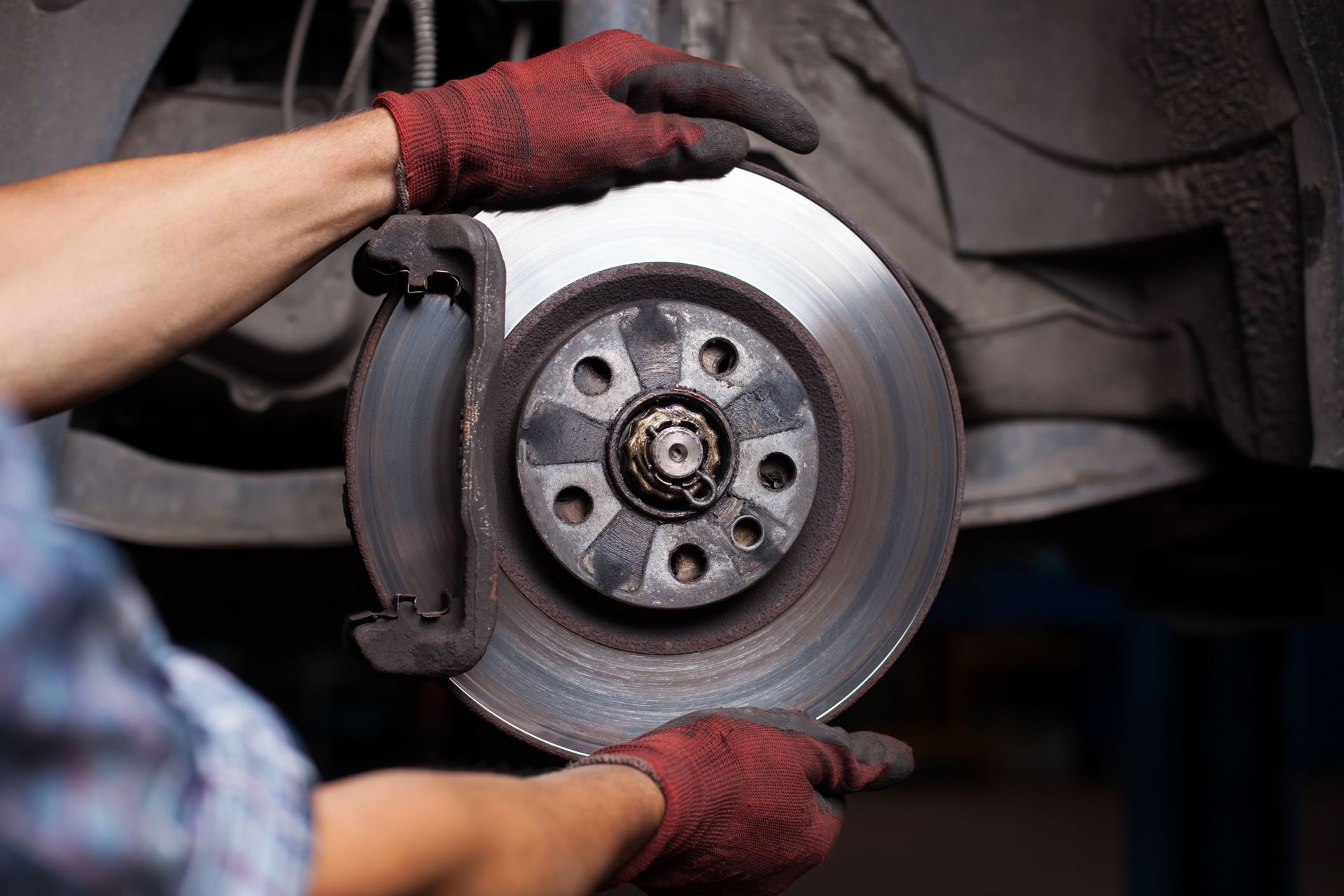
As vehicles grew faster and heavier throughout the mid-twentieth century, drum brakes struggled to dissipate the heat generated during repeated hard stops. Disc brakes solved this problem by exposing the rotor to open air, allowing heat to escape far more efficiently than enclosed drum designs ever could. This improvement in heat management reduced brake fade, a dangerous condition where stopping power diminishes during sustained or repeated braking. Disc brakes also simplified inspection and pad replacement, making routine brake repairs faster and more straightforward for technicians. By the 1970s, disc brakes had become standard equipment on the front axle of most passenger vehicles, with many models eventually adopting them on all four wheels.
Racing Innovations Elevate Everyday Braking
Much of the technology found in today's braking systems didn't originate on public roads at all. According to Motortrend, a substantial share of modern braking innovation traces back to hard-won lessons from motorsports, spanning both car and motorcycle racing disciplines. Racing environments demand extreme performance under punishing conditions, pushing engineers to develop stronger materials, better heat dissipation, and more precise pedal feedback. Innovations like vented rotors, high-performance brake pads, and advanced caliper designs all trace their roots back to the racetrack. These same principles now inform the parts and procedures used in everyday brake repairs, giving standard commuter vehicles a level of stopping performance once reserved for professional racers.
Anti-Lock Systems Improve Driver Control
The introduction of anti-lock braking systems, commonly known as ABS, represented one of the most significant safety advancements in automotive history. ABS technology prevents wheels from locking up during hard braking by rapidly modulating hydraulic pressure at each wheel individually. This allows drivers to maintain steering control even while braking hard on slippery or uneven surfaces, dramatically reducing skidding accidents. ABS relies on wheel speed sensors and a dedicated control module that must function correctly to keep the system operating as intended. When warning lights appear on the dashboard, timely brake repairs that include ABS diagnostics are essential to restoring full system functionality and driver confidence.
Electronic Systems Enhance Modern Stopping Power
Beyond ABS, today's vehicles incorporate a range of electronic safety features that work alongside the traditional hydraulic system. Electronic brake-force distribution automatically adjusts pressure between front and rear wheels based on load and road conditions, optimizing stopping power in real time. Brake assist systems detect emergency braking situations and apply maximum pressure instantly, even if the driver doesn't press the pedal with full force. These interconnected electronic components add a layer of complexity that makes professional diagnostic equipment necessary for accurate troubleshooting. Modern brake repairs increasingly involve software calibration alongside traditional mechanical work, reflecting how deeply electronics have become woven into vehicle safety systems.
Advanced Materials Improve Durability And Performance
Material science has played a major role in the evolution of braking technology, particularly in the development of brake pads and rotor coatings. Manufacturers have moved away from asbestos-based materials toward ceramic and semi-metallic compounds that offer better heat resistance and reduced brake dust. These advanced materials also tend to produce less noise while delivering more consistent friction across a wider temperature range. Rotor coatings that resist corrosion have become especially valuable in regions with harsh winter conditions, where road salt and moisture accelerate wear on exposed metal components. Choosing the right materials during brake repairs directly affects how long a vehicle's braking system will perform reliably before requiring further attention.
Regular Maintenance Preserves Long-Term Safety
Despite all of these technological advancements, brake systems still require consistent maintenance to perform as designed. Pads wear down with every stop, hydraulic fluid absorbs moisture over time, and calipers can stick or corrode, especially in climates with harsh winters. Ignoring early warning signs like squealing, grinding, or a soft pedal can allow minor issues to escalate into far more expensive and dangerous problems. Scheduling brake repairs at the first sign of trouble helps preserve the performance of increasingly sophisticated systems built around precise tolerances and interconnected electronic components. Because so much has changed since the days of simple mechanical drums, working with trained professionals matters more than ever when it comes to keeping these advanced systems functioning safely.
Professional Expertise Ensures Lasting Performance
As braking technology has grown more advanced, the gap between amateur troubleshooting and professional service has widened considerably. Modern systems combine hydraulics, electronics, and specialized materials in ways that require proper diagnostic tools and trained expertise to service correctly. A technician performing brake repairs today needs to understand not just mechanical wear but also how ABS sensors, electronic brake-force distribution, and brake assist systems interact with the hydraulic circuit. Attempting shortcuts or DIY fixes on these integrated systems can compromise safety features that were specifically engineered to protect drivers in emergency situations. Trusting a qualified shop ensures that every component, from rotors to software calibration, functions exactly as the manufacturer intended.
From mechanical cables and drum brakes to hydraulic circuits, disc rotors, and electronically controlled safety systems, the evolution of vehicle braking technology reflects decades of innovation driven by both everyday driving needs and the demands of motorsports. Each advancement has made vehicles safer, more responsive, and more capable of handling the unpredictable conditions drivers face every day. But this increased sophistication also means that keeping a braking system in top condition requires more expertise than ever before. Regular inspections and prompt attention to warning signs remain the best way to protect both your vehicle and everyone who shares the road with you.
If you're noticing unusual noises, vibrations, or a soft pedal, don't wait for the problem to worsen. At M&J Auto Sales & Service, we combine decades of hands-on experience with the diagnostic tools needed to service today's advanced braking systems correctly, so reach out to us and let our ASE Certified technicians restore your vehicle's stopping power with confidence.