October 24, 2026
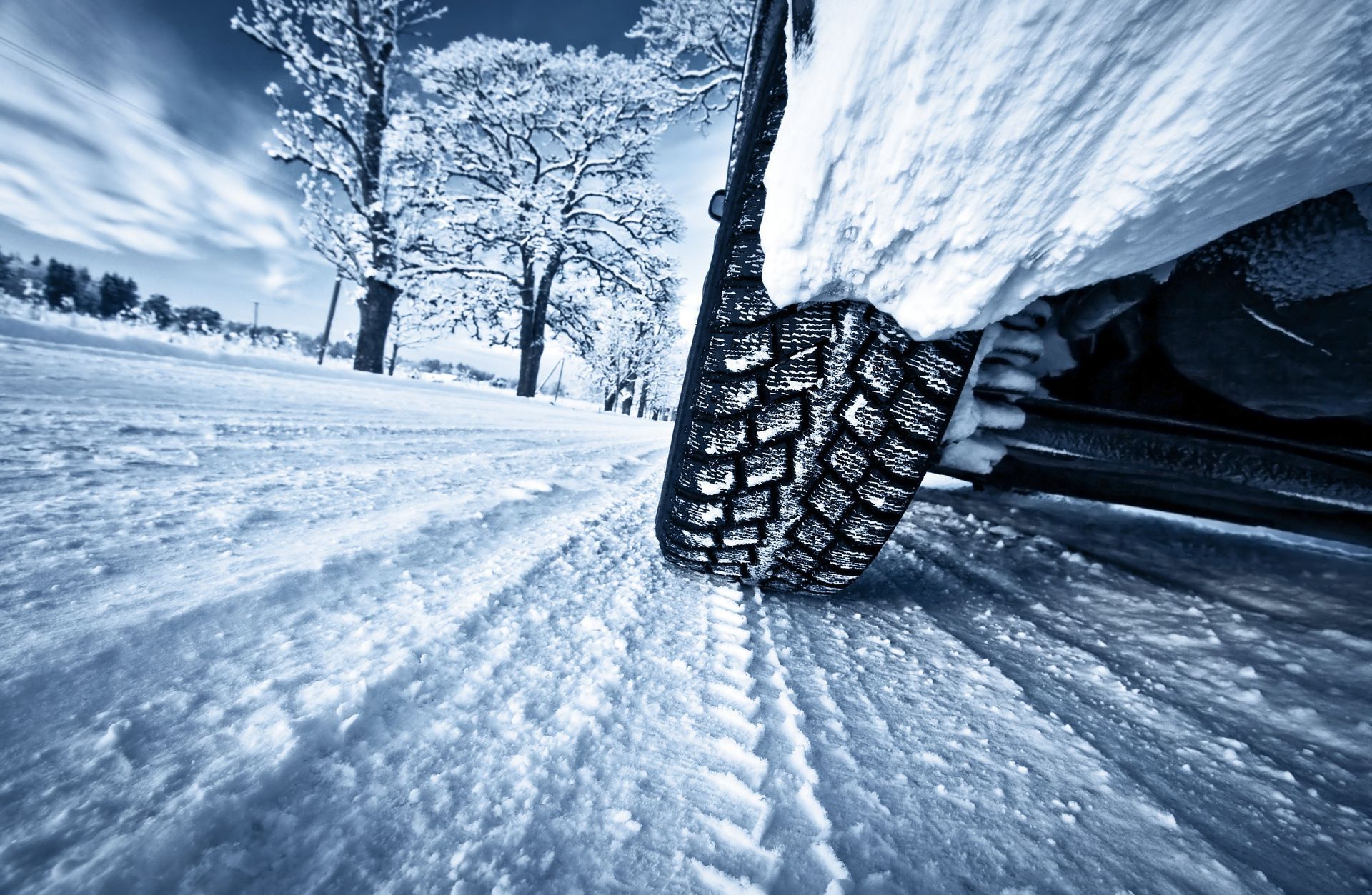
Winter driving introduces severe hazards that test both driver skills and vehicle safety systems. Snow, slush, black ice, and subzero temperatures create challenging road conditions where stopping distances increase dramatically. Among all the vehicle components responsible for keeping you safe during freezing weather, your braking system stands at the absolute top of the list. Cold temperatures alter fluid behavior, road salt corrodes metal surfaces, and icy roads require maximum stopping efficiency. Understanding how winter conditions impact your vehicle's braking ability helps you stay safe, avoid dangerous skids, and recognize when it is time to seek professional maintenance.
Understanding Cold Temperature Effects on Hydraulic Fluid and Friction Materials
Extreme cold directly impacts the physical properties of your vehicle's braking components, from the hydraulic lines down to the friction pads. As ambient temperatures plummet below freezing, brake fluid thickens, which can slow down hydraulic pressure delivery when you press the pedal. Simultaneously, brake pad compounds harden in cold weather, initially offering reduced grip against frozen rotors until friction generates ambient heat. These factors combine to create a slightly delayed or stiff pedal response on freezing mornings. Schedule regular brake repair services before winter sets in to ensure your hydraulic fluid is fresh and free from moisture contamination that could freeze inside the brake lines.
Recognizing the Invisible Threat of Road Salt and Slush Build Up
Municipalities rely heavily on road salt and chemical de-icers to keep roads clear, but these substances cause severe corrosion to exposed undercarriage components. Salt spray and slush accumulate inside wheel wells and directly on calipers, slide pins, and rotors. According to Motor, regular exposure to snow and road salt can cause brake pads to stick before their friction material wears out, and if one pad becomes stuck while its counterpart moves freely, it can lead to uneven wear and reduced braking performance. Addressing these issues early through professional brake repair services ensures that your calipers are thoroughly cleaned, lubricated, and moving freely throughout the harsh winter months.
Mastering Anti-lock Braking Systems on Snow and Packed Ice
Modern Anti-lock Braking Systems, commonly known as ABS, are engineered to prevent wheels from locking up during hard stopping maneuvers, allowing drivers to retain steering control. On icy or snow-covered roads, the ABS system rapidly fires hydraulic valves, producing a noticeable rapid pulsating sensation in the brake pedal along with a mechanical grinding noise. Many drivers react instinctively by lifting their foot off the pedal when feeling this vibration, which completely disengages the safety system. When driving on slick surfaces, maintain firm and continuous pressure on the pedal, letting the system modulate stopping pressure automatically. If your ABS dashboard warning light illuminates during winter, book prompt brake repair services to inspect wheel speed sensors for ice damage or electronic fault codes.
Evaluating the Interplay Between Winter Tires and Stopping Power
Even the most advanced braking system relies entirely on the small contact patch where your tires meet the road surface. Standard summer or all-season tires harden in cold weather, losing flexibility and traction even on dry pavement. Purpose-built winter tires utilize specialized flexible rubber compounds and deep tread grooves designed to clear away packed snow and grip ice. Without adequate tire traction, pressing your brakes simply causes the wheels to slide across slick surfaces, triggering ABS prematurely and extending stopping distances. Pairing dedicated winter tires with routine brake repair services guarantees that both your stopping mechanism and tire traction operate in total harmony.
Identifying Common Winter Brake Warning Signs and Unusual Noises
Winter driving exposes pre-existing vehicle wear rapidly, making it vital to pay close attention to unusual sounds or pedal feedback. Squealing or grinding noises when slowing down often indicate worn friction pads, but in winter, these sounds can also stem from ice buildup between the rotor and dust shield. A soft or spongy pedal feel usually indicates air bubbles or moisture in the hydraulic lines, whereas a hard pedal that requires extreme force suggests power booster issues or frozen vacuum lines. Ignoring these warning signs drastically increases your risk of total stopping failure in emergency situations. Scheduling thorough brake repair services at the first sign of abnormal noise or pedal resistance prevents minor issues from turning into hazardous breakdowns.
Adapting Driving Techniques for Low Friction Road Surfaces
Safe winter driving requires modifying your personal habits to match reduced friction levels on snow, slush, and black ice. Double or triple your standard following distance behind other vehicles to allow extra space for gradual deceleration. Apply smooth, progressive pressure to the brake pedal rather than slamming it down abruptly, which can upset vehicle balance and initiate an uncontrollable slide. When approaching intersections, bridges, or shaded roadway areas where black ice forms quickly, begin slowing down far earlier than you normally would on dry summer pavement. Combining cautious driving habits with scheduled brake repair services maximizes control and safety during severe winter weather events.
Preventing Emergency Brake Freezing and Mechanism Damage
Parking brakes are essential for keeping vehicles stationary, but using them in subzero temperatures carries unique risks if moisture enters the system. Moisture can freeze around the mechanical parking brake cables or rear caliper mechanisms, causing the emergency brake to remain fully engaged even after you release the interior lever. Forcing the vehicle to move with a frozen parking brake generates intense heat, destroys rear friction linings, and damages rotors within minutes. If you experience a stuck emergency brake mechanism, turn to professional brake repair services to safely thaw, inspect, and repair frozen brake components without damaging the wheel assembly.
Managing Heat Dissipation and Thermal Shock in Freezing Conditions
Braking generates extreme thermal energy as friction pads press against metal rotors to slow your vehicle down. In winter conditions, brake rotors transition rapidly from subzero temperatures to hundreds of degrees within seconds during heavy deceleration. Driving through deep snowbanks or cold slush puddles immediately after heavy braking causes rapid cooling, known as thermal shock, which can warp metal rotors or cause micro-fractures across the surface. Warped rotors create noticeable steering wheel vibrations and pulsing pedal feedback whenever you slow down. Seeking comprehensive brake repair services allows technicians to resurface or replace heat-damaged rotors, restoring smooth and predictable stopping power.
Navigating Mountain Passes and Steep Downhill Slopes Safely
Driving down steep inclines on snow-covered or icy roads presents severe mechanical challenges for any braking system. Riding your foot on the brake pedal continuously down long mountain passes causes severe friction overheating, leading to brake fade where the pedal feels soft and stopping effectiveness vanishes entirely. To prevent overheating, utilize engine braking by downshifting into a lower gear, allowing engine compression to control vehicle speed naturally down the hill. Use short, moderate taps on the pedal only when necessary to control speed spikes. Drivers who frequently navigate hilly or mountainous terrain during winter should prioritize regular brake repair services to verify fluid boiling points and friction thickness.
Preparing Your Vehicle with Pre-Winter Inspection Routines
Proactive maintenance is the single most effective way to avoid winter roadside emergencies and costly mechanical failures. A comprehensive seasonal inspection checks pad thickness, rotor surface condition, caliper hardware movement, hydraulic line integrity, and brake fluid moisture levels. Catching minor wear issues in autumn prevents salt corrosion from seizing vital moving parts once winter arrives in full force. Investing in professional brake repair services before severe winter storms hit provides invaluable peace of mind, knowing your vehicle is completely prepared to handle unexpected stops, sudden ice patches, and hazardous road conditions.
Navigating icy highways, slushy city streets, and unpredictable winter storms requires complete confidence in your vehicle's stopping capabilities. From managing fluid viscosity in subzero temperatures to preventing salt corrosion on delicate caliper assemblies, taking care of your vehicle's stopping system is essential for protecting your family on the road. Do not wait for a dangerous skid or a soft pedal to take action on winter safety. Reach out to M&J Auto Sales & Service today to book reliable brake repair services and ensure your vehicle is completely prepared for whatever winter weather throws your way.