November 24, 2026
Every time you press the brake pedal, you expect your vehicle to come to a smooth, safe stop. However, this vital mechanical system does not last forever, and it requires your constant attention. Over time, friction, heat, and stress naturally degrade your braking components. Determining exactly when these parts need replacement is a highly complex process, as no single standardized timeline applies to every car, truck, or SUV on the road today. Various elements influence how quickly pads and rotors wear down, making driver vigilance critical. Ignoring deterioration can lead to hazardous situations and compromised safety. Whether navigating heavy traffic or mountainous regions, recognizing early wear indicators is paramount. Whenever you notice decreased stopping power, scheduling a brake repair service becomes essential for maintaining your safety. By familiarizing yourself with the factors that accelerate wear, you can make informed decisions about your vehicle maintenance.
Evaluating Your Daily Driving Habits
One of the most significant variables influencing the lifespan of your braking system is how you navigate your daily commute. Drivers navigating congested city streets with heavy stop-and-go traffic naturally burn through friction materials much faster than those traveling on open highways. Every time you inch forward in a traffic jam, you generate heat that slowly shaves microscopic layers of friction material off your brake pads. Furthermore, aggressive driving behaviors, such as tailgating or coming to abrupt halts, place immense stress on your rotors and calipers. Conversely, drivers who practice coasting to a gradual stop and maintain a safe following distance can significantly extend component longevity. If your routine involves endless city congestion, getting a proper brake repair service can mitigate the long-term damage caused by these intense driving patterns. Adjusting your habits behind the wheel drastically reduces the rate at which your stopping components degrade over time.
Assessing the Impact of Local Environments
Beyond personal habits behind the wheel, the geographical region where you operate your vehicle plays a massive role in determining component longevity. If you live in an area characterized by steep hills, you will undoubtedly rely on your stopping power more frequently during downhill descents. This constant friction generates excessive heat, which can lead to brake fade and eventually warp the metal components of your wheel assembly. Additionally, seasonal weather variations introduce severe challenges. In regions experiencing heavy winter snowfall, municipalities coat roads in harsh salts and chemical de-icing agents. These corrosive substances splash onto your undercarriage, accelerating the rusting process on calipers, lines, and backing plates. If you live in a harsh climate, booking a seasonal brake repair service ensures your system remains free of severe corrosion. Coastal environments with high humidity and salty ocean air also cause rapid, destructive oxidation.
Understanding the Role of Brake Pad Materials
Not all automotive parts are manufactured with the exact same specifications, and the chemical composition of your brake pads heavily dictates how often they must be swapped out. Modern vehicles generally utilize organic, semi-metallic, or ceramic friction materials. Organic pads are crafted from glass, rubber, and resins, making them quiet and inexpensive, but they wear out incredibly fast. Semi-metallic pads integrate steel or copper fibers, providing excellent heat dissipation and durability, though they can be highly abrasive against your rotors over time. Ceramic pads represent the premium tier, offering long lifespans, minimal dust, and quiet operation at a higher initial price point. Because each material behaves differently under thermal stress, replacement intervals vary wildly. During your next brake repair service, ask your technician about which specific pad material best suits your daily commute and financial budget to maximize your overall longevity.
Recognizing the Physical Warning Signs
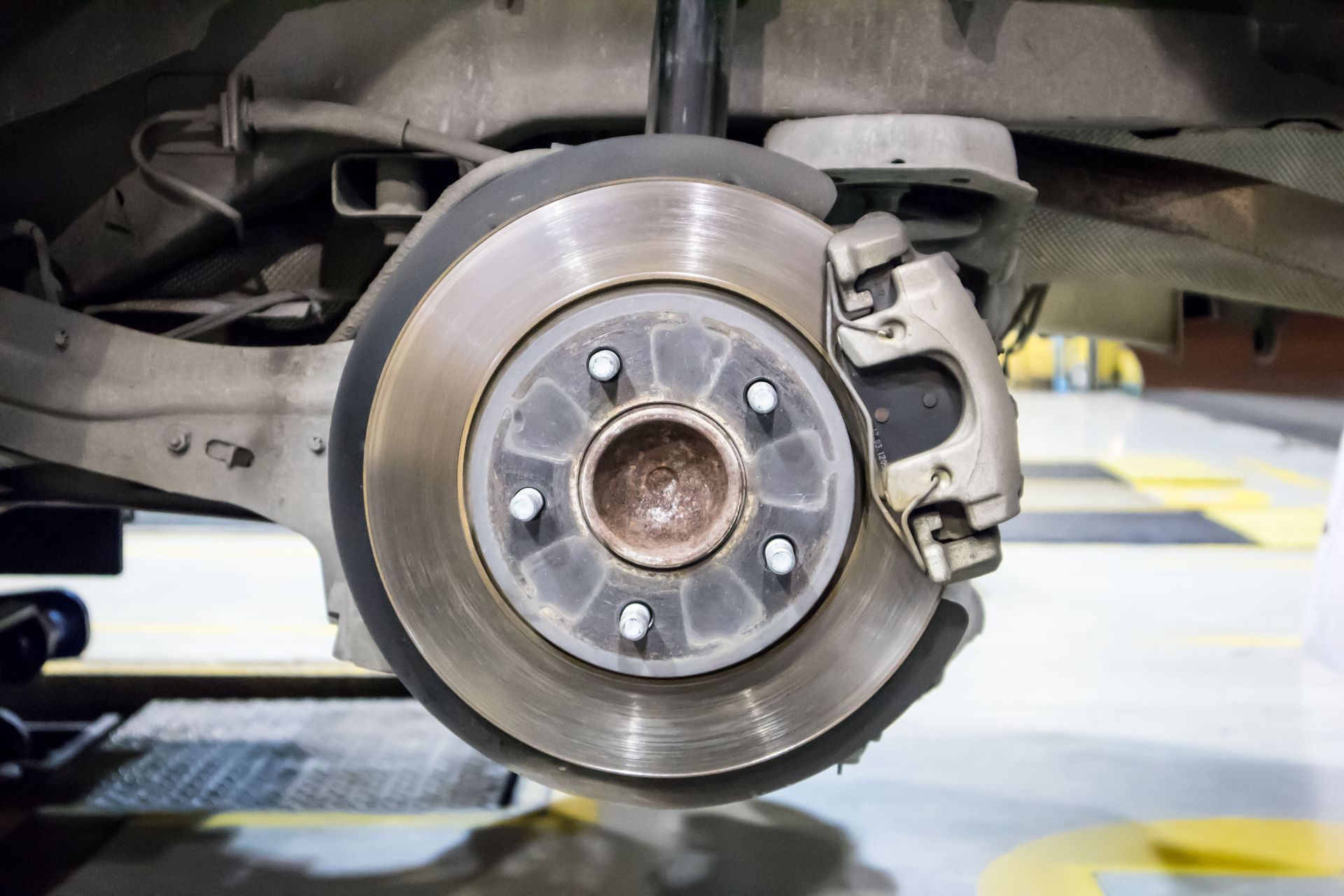
Your vehicle is remarkably adept at communicating mechanical distress, provided you know exactly what to listen and feel for during your drive. One of the earliest indicators of impending failure is a high-pitched squealing noise that occurs when applying pressure to the pedal. This sound is intentionally produced by a small metal wear indicator designed to alert you that the friction material has reached critically low thickness. If ignored, the squeal eventually evolves into a harsh grinding noise, signifying that the bare metal backing plate is scraping directly against your rotor. This scenario is highly dangerous and requires immediate intervention. You might also experience a steering wheel that vibrates violently or a pedal that feels excessively spongy. The moment you hear loud grinding noises or feel vibrations, you need to arrange a comprehensive brake repair service to prevent further rotor damage.
Monitoring Your Vehicle Mileage Intervals
While physical symptoms and environmental factors are critical to monitor, maintaining a baseline awareness of your total mileage is equally important for preventative care. Many manufacturers provide broad guidelines regarding when you should proactively inspect and replace stopping components. According to AAA, replacing your brakes is typically advised around every 30,000 miles, although the exact interval can vary based on your vehicle, driving habits, and local weather conditions. This statistic serves as an excellent general benchmark, but it should never be treated as an absolute rule. A delivery driver operating exclusively in an urban setting might burn through pads in fifteen thousand miles, whereas a highway commuter might easily surpass fifty thousand miles. Regardless of your specific situation, reaching this general mileage milestone is a great reminder to book a routine brake repair service for a full system evaluation.
Prioritizing Routine Professional Maintenance
Ultimately, the most effective way to determine exactly when your vehicle requires new components is to invest in consistent, professional automotive maintenance. Modern braking systems are incredibly complex, relying on highly pressurized hydraulic fluid, perfectly aligned calipers, and specialized hoses to function flawlessly. During a comprehensive inspection, a skilled technician will measure pad thickness using specialized tools, check hydraulic fluid for dangerous moisture contamination, and evaluate rotors for microscopic heat fractures. Regular visits to a reliable garage for an oil change, general auto repair, or a basic tire rotation often include a complimentary visual inspection of these crucial components. By allowing an expert to look at your wheel assemblies regularly, you eliminate guesswork. Investing in an annual brake repair service prevents minor wear from escalating into major mechanical failures on the highway. Professional oversight ensures small issues are promptly resolved before compromising your safety.
Maintaining the structural integrity of your vehicle's stopping system is not a task that can be taken lightly or endlessly delayed. As we have explored, a wide array of factors—ranging from your driving habits and local climate to the specific materials used in your pads—all dictate the lifespan of your components. By remaining observant of strange noises, spongy pedal sensations, and your vehicle's mileage, you can address automotive wear before it becomes an urgent hazard. Taking a proactive approach ensures you never find yourself unable to stop during an emergency situation. Furthermore, consistent monitoring preserves the resale value of your automobile by preventing collateral damage to adjoining mechanical parts. Remember that preventative maintenance is always more cost-effective and significantly safer than waiting for a catastrophic mechanical failure to occur. Never delay a necessary brake repair service when your vehicle's safety is on the line. Whether you need a visual inspection or a complete system overhaul, technicians are ready to help. For dependable automotive care, visit M&J Auto Sales & Service.